1990 – 2006
Before IKEA
Seventeen years of computer graphics before the eighteen everyone knows about. Two companies, back to back: a 3D Studio business started the year the software shipped, then a studio doing CAD-to-render work at scale for Volvo, Ericsson, Nobel and the Swedish navy.
By the time IKEA hired me in 2007 I had been building automated pipelines from engineering CAD to photoreal images for the better part of a decade. That is the part of the story this site has never told.
- 1990Reseller of the first 3D Studio
- 19963D Studio MAX
- 1998Sold the company
- 2007Joined IKEA
1990 – 1998
Enthed Animation AB
A one-product company, and the product was 3D Studio. We sold it, supported it, trained people on it and animated with it — from late 1990, when the first release hit the streets. By the late nineties it was the largest 3D Studio MAX customer base in Scandinavia.
If we can't do it, how is the customer supposed to? Company motto, from enthed.se, 1998
The one that went out on real chemical film
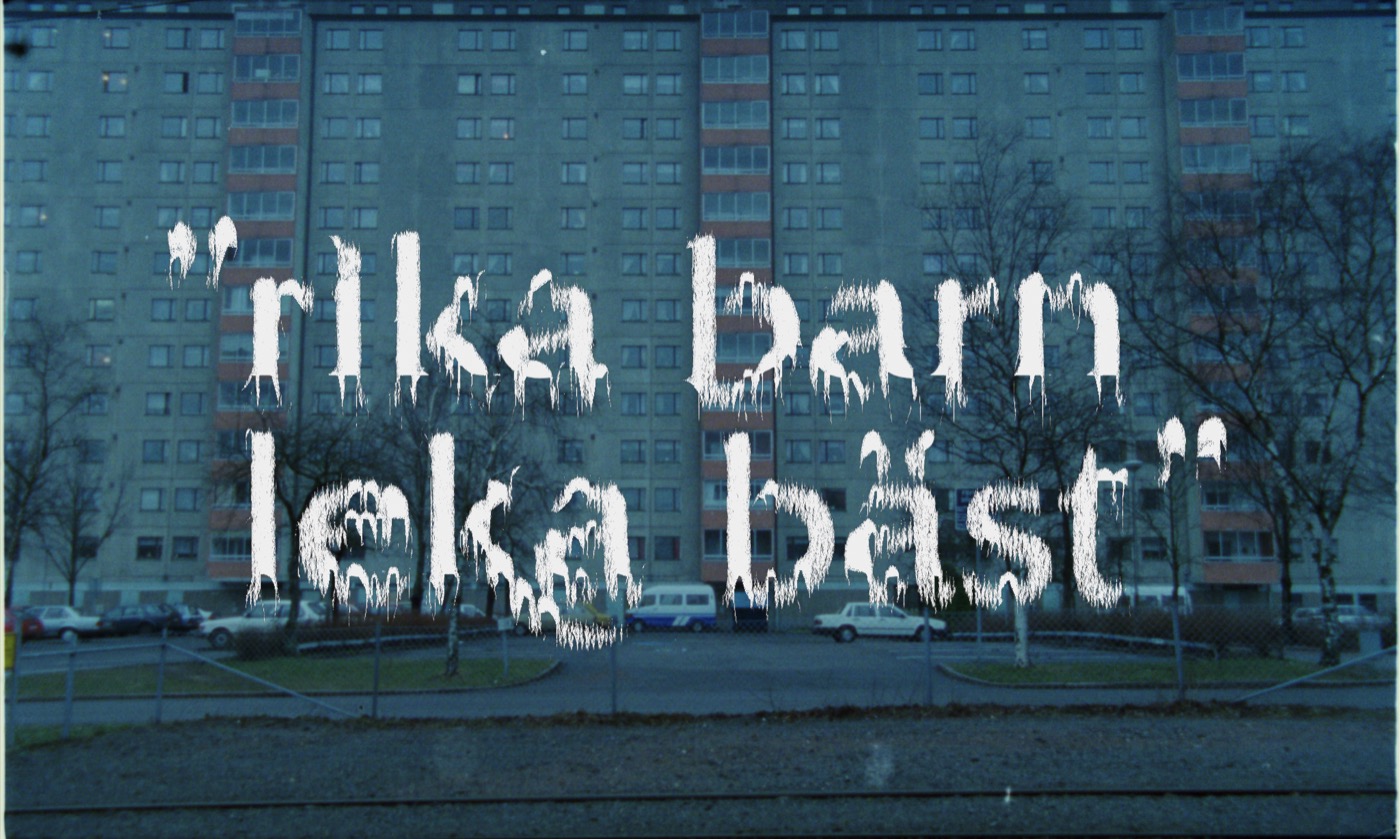
“Rika barn leka bäst” is the only thing I have done that was put out on real film — and I was invited to the premiere. What I wrote was the code that melted the title text as though it were raining, because the titles rain at the start.
1992
ENT-TOOLS
A set of IPAS plug-ins for 3D Studio under DOS. IPAS was the way you extended 3D Studio back then, and it belongs entirely to the DOS releases — when MAX arrived in 1996 it brought a different plug-in architecture and IPAS went with the old version. Release 2 shipped in March 1992 and I had these out about four months later. The diskette in the box carries modules built for release 2 and release 3, and they ran on release 4 as well — almost nothing changed there except the extensions themselves.
I wrote them, and sold them myself. A VHS box with the cover rendered, transferred to a photo negative and reproduced as if it were an old photograph. A custom plastic inlay to hold the 3.5" diskette. A forty-page manual, cut to a size that would fit inside. I made about fifty. I sold about ten.
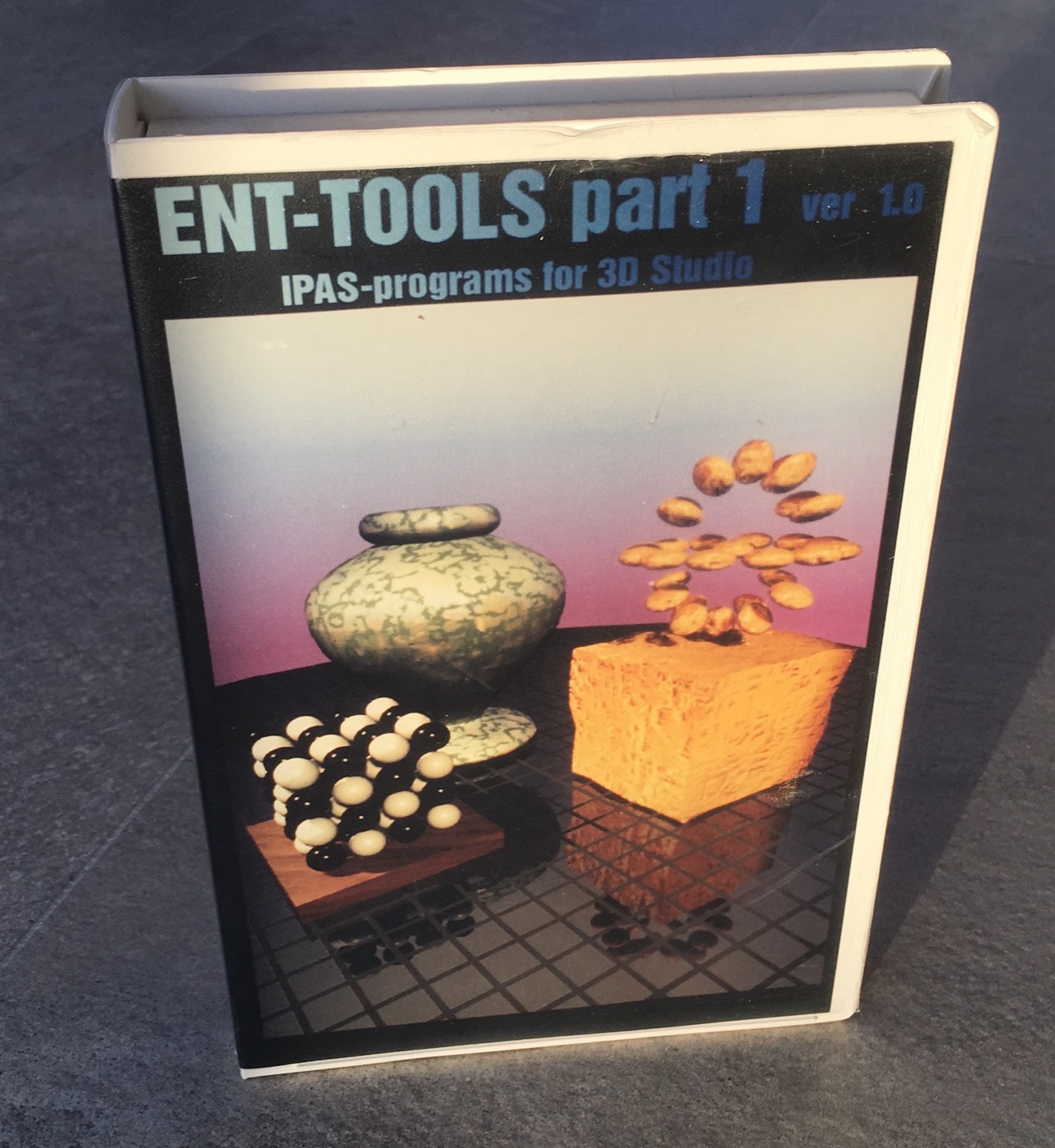
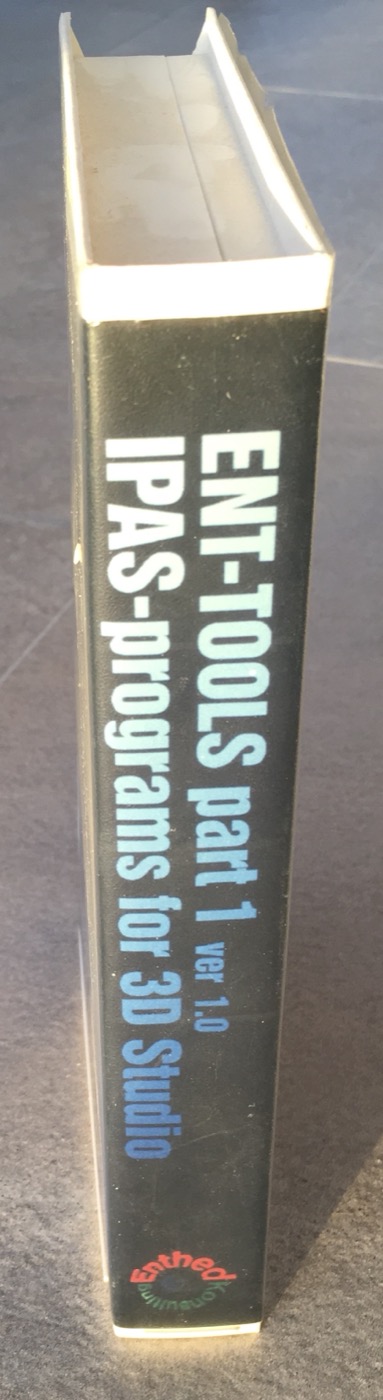
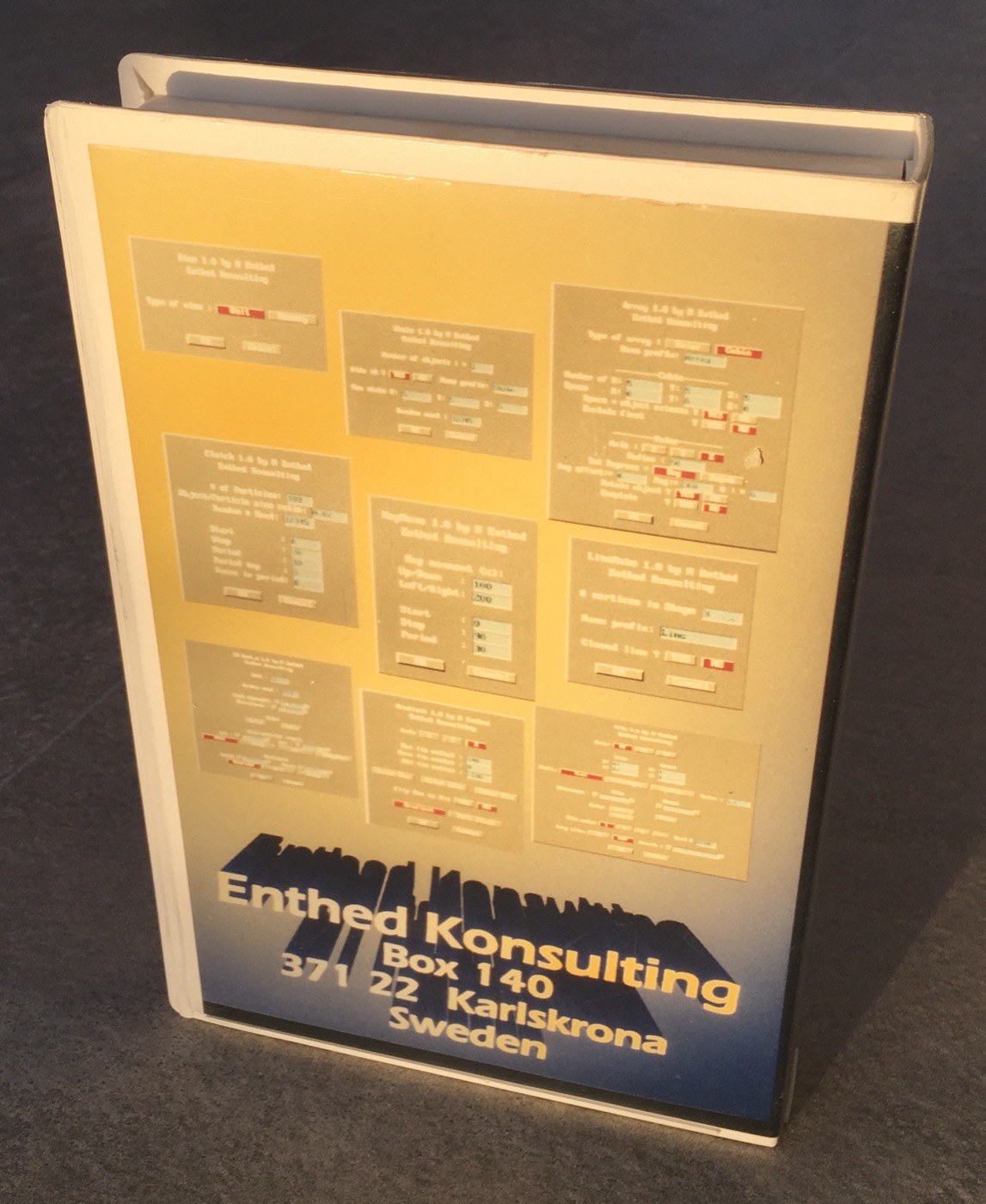
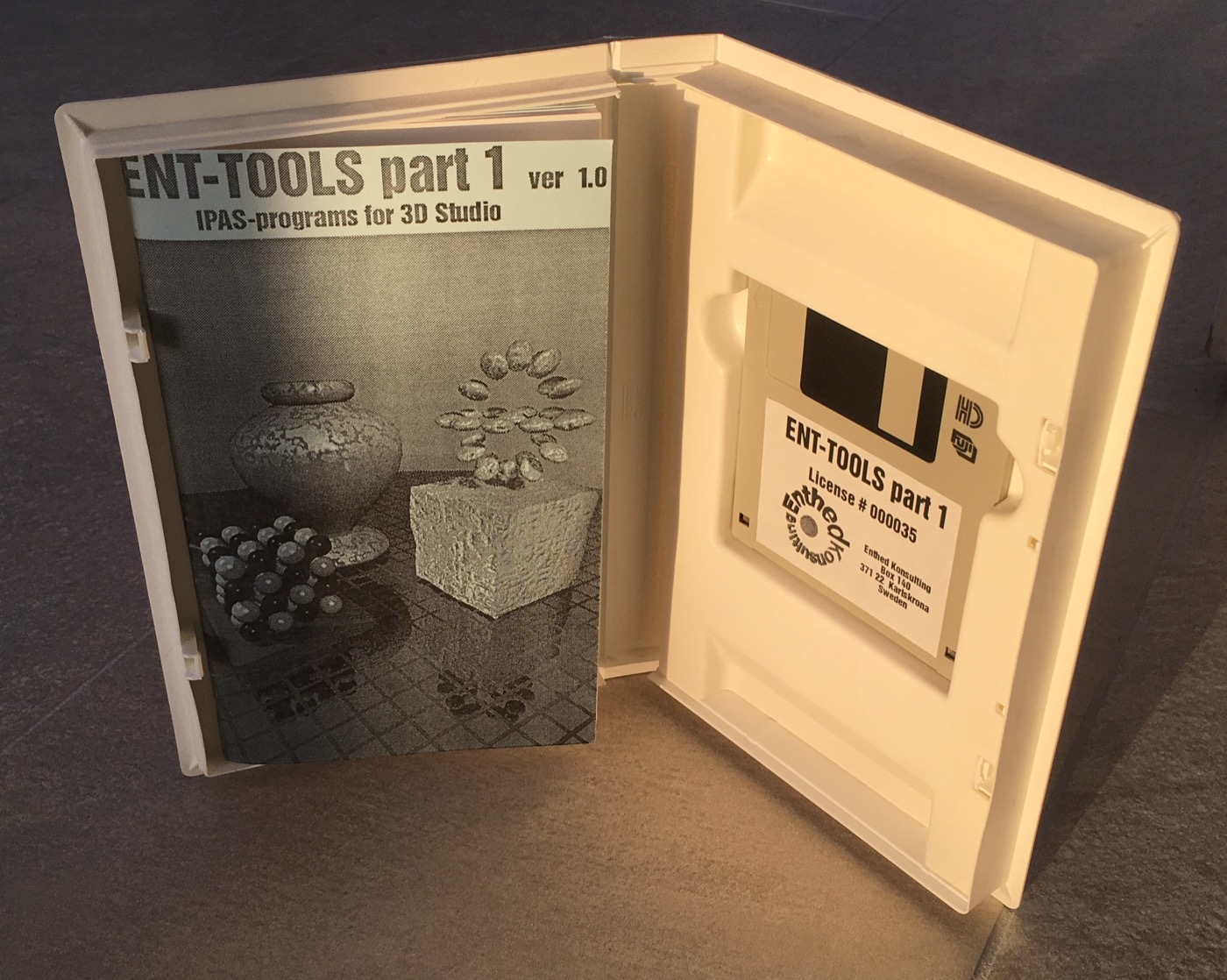
As I'm a self taught programmer, started at 12–13 years old, I have always done my own tools. The IPAS things for 3D Studio DOS II was the first time I came across a software that allowed you to extend a software with your own code.
There was no way of stepwise debugging. You had to write out whatever you wanted to log, into a file on disc. Then just run the code you made and try to understand why it did what it did. Always starting 3D Studio first… you really had to run the code in your brain before even trying it out. From a 2017 Q&A with Harry Denholm for his IPAS museum
The community was one forum: ASOFT on CompuServe, an hour or two every morning, reading to learn the tricks I would later use in training and support.
1992
KaMeWa — the propeller coupling
A propeller shaft and coupling system developed jointly by KaMeWa in Kristinehamn and SKF, which let a ship's propeller be changed far faster than the conventional method and saved the owner a spare shaft. I modelled and rendered the whole thing — for a product brochure, and for a five-minute animation showing how the coupling actually worked.
160,000 faces, built entirely in 3D Studio. The animation was a 40 MB FLC file. Rendering took 200 hours, at 2048 × 1365. The credit printed on the images reads “KaMeWa — 3D-modell & motion by Enthed Konsulting”.
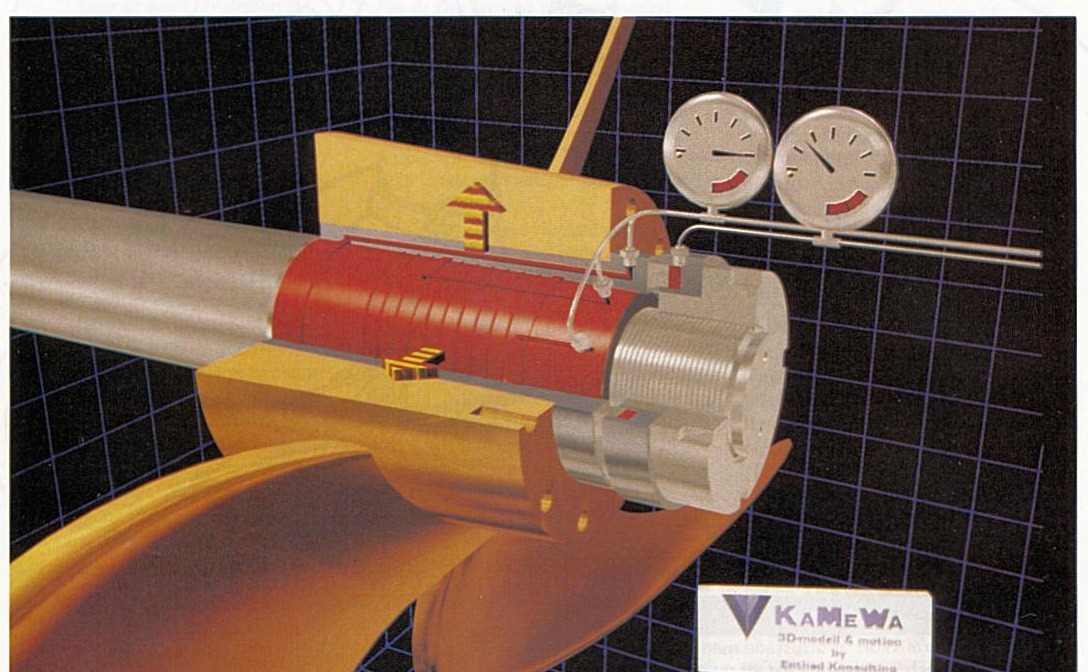
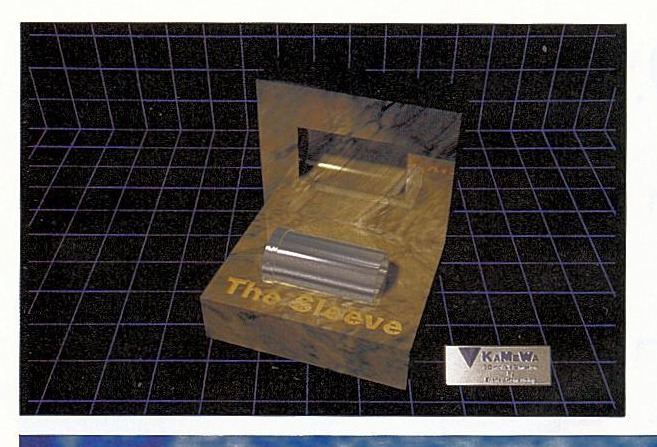
It was one of my first properly paid long jobs in 3D — 70,000 kronor, about seven thousand euros in today's money.
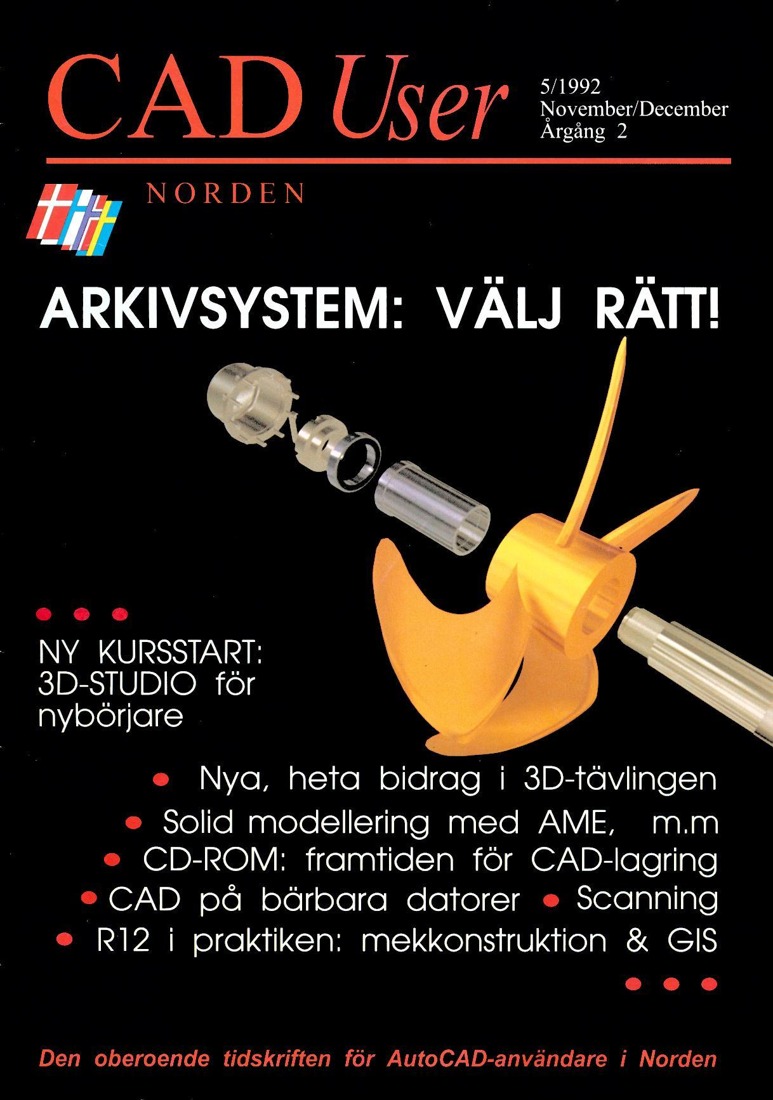
It ran in CAD User Norden, November/December 1992, as an entry in the magazine's 3D competition — and the propeller ended up on the cover of that issue. This is the earliest dated work I still have anything of, and it is the shape of everything that came after: engineering data in, an image a customer can understand out.
1992
IKEA, from the start
IKEA were a customer of ours long before they were an employer. From 1992, about a month every year, mostly for their model shop — furniture modelled so it could be looked at before it was built: a folding chair, an armchair, mouldings, thermos flasks.
Almost none of it survives as pictures. What is left is 129 scene files and hardly a render — the images went to IKEA and the working files stayed with me.
1994
Autodesk contest — Cetetherm
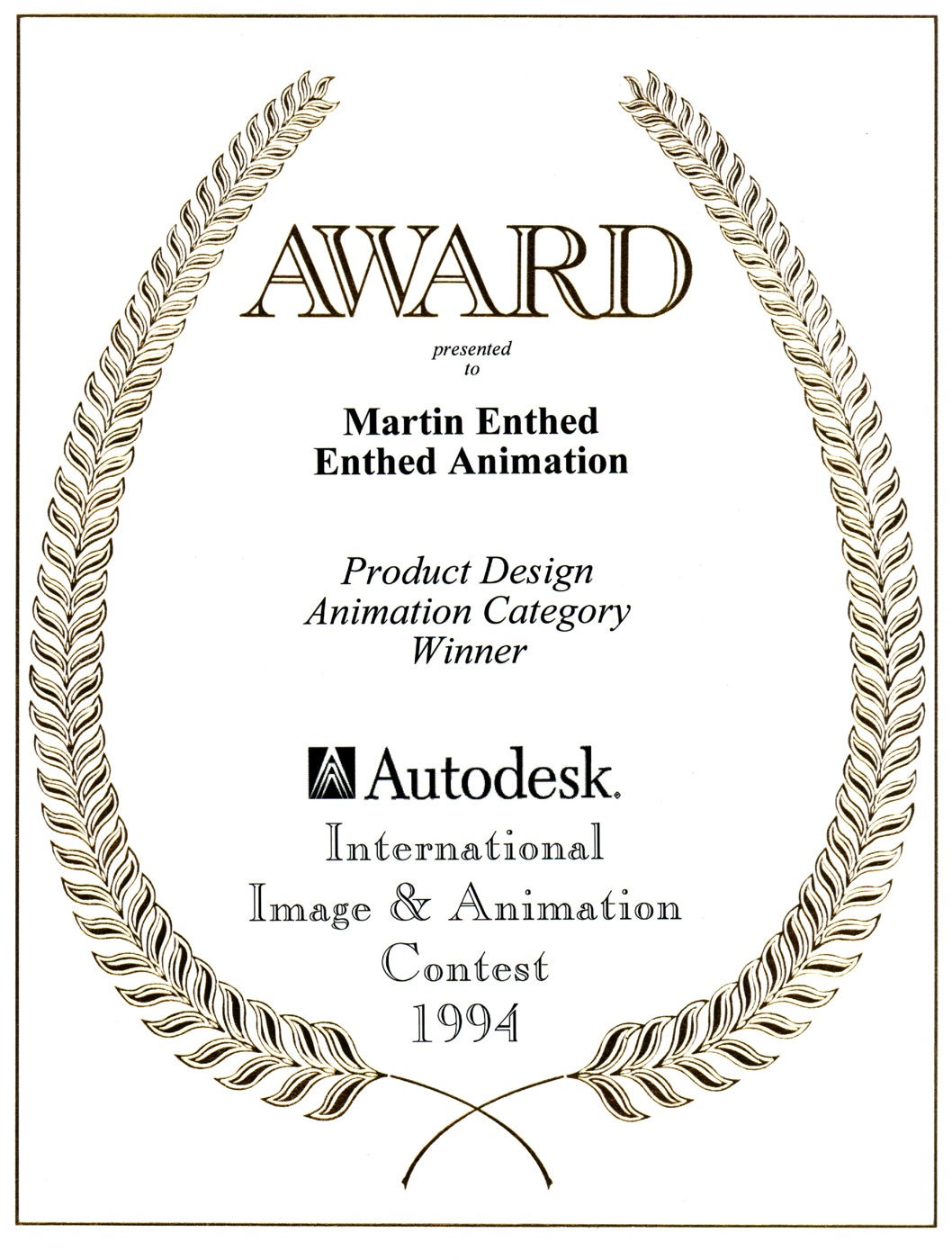
Enthed Animation won the Product Design Animation category at the Autodesk International Image & Animation Contest in 1994 — a worldwide competition run by the company whose software we sold, judged against everyone else using it. The winning piece was made for Cetetherm.
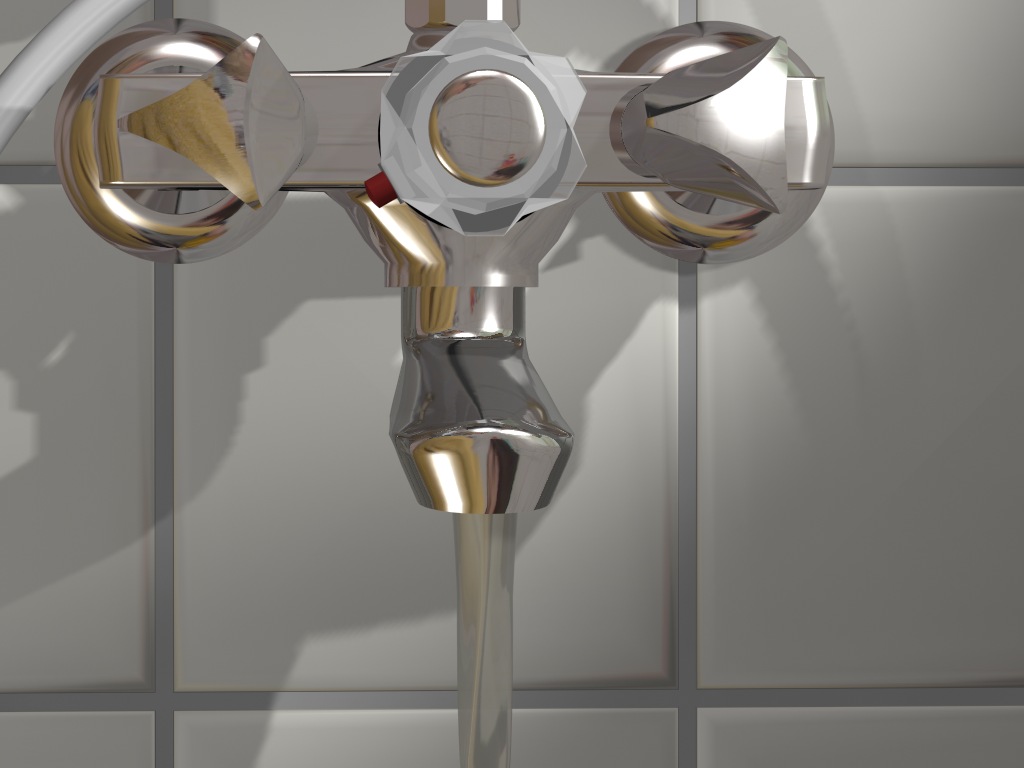
Cetetherm make thermostatic mixing valves — the things that stop a tap scalding whoever is under it. So the piece opens on film: a child in the bath, the camera pushing in towards the tap.
Then it mixes, slowly, from the filmed tap to a rendered one. I had to match the render to the footage exactly — the same tap, the same light, the same angle — so that the dissolve would hold. Once inside the render the camera keeps going: into the tap, down the pipe, and out into the basement where the Cetetherm equipment sits. Live action to CG and then straight through the plumbing of a house — in 1994, in 3D Studio under DOS. No compositing software worth the name, no match-moving; you worked out the camera yourself and rendered until it lined up.
And it had to get onto tape. Frames came off a Targa card at 512 × 576 and went to the deck one at a time — Betacam SP, or one of the first DigiBeta machines; I am no longer certain which — with a DiaQuest card driving it over a serial link. Render a frame, lay it down, wind on, render the next.

Sixteen stills on one sheet is all that survives of the move — the bathroom, in towards the tap, and then inside the pipe. Below it, those same sixteen stills dissolved into each other as a video. The pace is about right; the smoothness is not, because everything between the frames is gone. Click the strip to see the frames full size.
1995
Nova — SVT
Nova was SVT's science magazine, made at their Norrköping studio. I did the graphics for it.
The wordmark exists only as a thumbnail rescued off my own old website. Nothing of Nova's graphics appears to survive anywhere public — SVT has not archived a regional science programme's titles from 1995 — so these files are the record.
1996
How a computer works — for UR
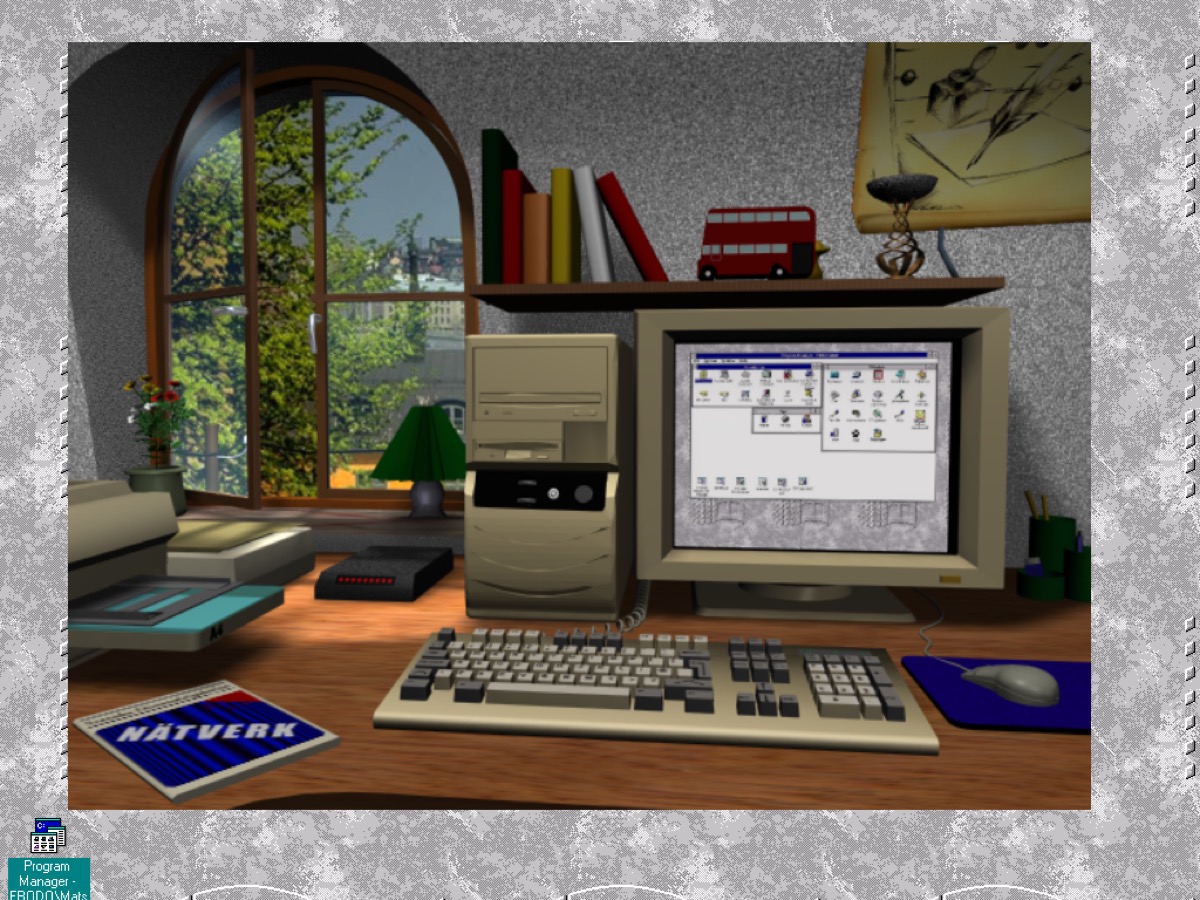
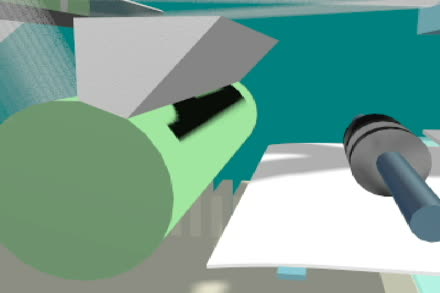
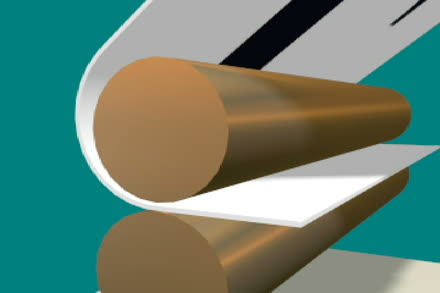
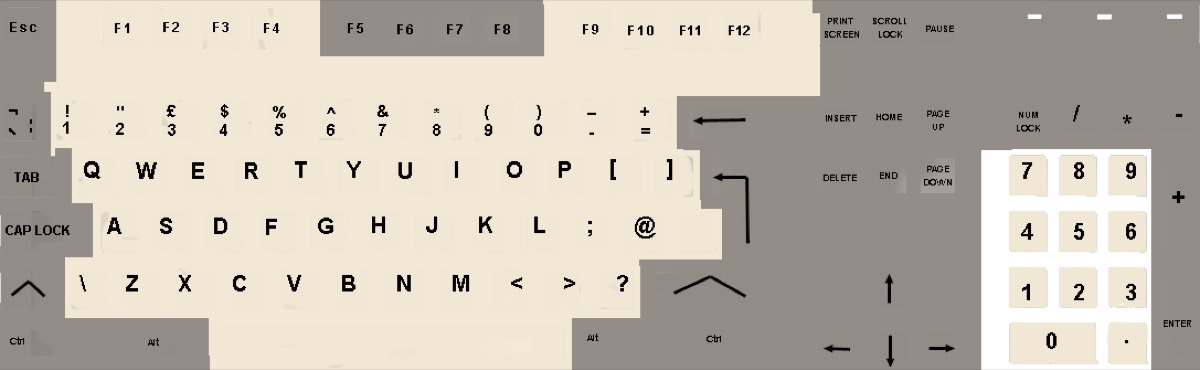
UR, Sweden's educational broadcaster, wanted to explain the inside of a computer to people who had never seen one opened. So we built the lot: the laser printer, the mouse, the keyboard, the monitor, the hard disk, the CPU, RAM, the modem, the scanner, the network, the CD-ROM drive, the floppy, even virtual memory. Each one cut open and animated until you could see what it was actually doing.
It was made in 3D Studio MAX 1.0 — the first version, which shipped that April. The files start the same month. An English set was made as well.
November 1996
EGO — the LEGO plug-in
3D Studio MAX shipped in April 1996. Autodesk's office in Gothenburg were about to pitch to LEGO and wanted to show bricks built procedurally, so I wrote them a plug-in that made LEGO-like objects out of a box and a number of cylinders, and gave it away. I called it EGO — LEGO with the L taken off, because I was not going to put someone else's trademark on my software.
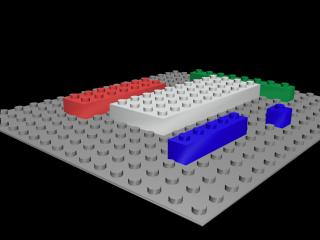
Being free and being fun, it ended up in almost every installation of MAX in the world. Then people rendering animations found that MAX crashed after a few hundred frames — and that the crashing stopped if you took my plug-in out of the directory. The conclusion was drawn in public: either I had planted a bug, a virus some said, or I simply could not write code.
Gary Yost asked me over CompuServe to send him the source. He led the team that wrote 3D Studio. I sent it, and then there was nothing to do but wait. Three or four days. My name was on a piece of software sitting on machines all over the world with an accusation attached to it, the whole community was reading the same forum I was, and I could not defend myself with anything except code I had already handed over. I was self-taught. I read that forum every hour. It was the longest few days of my working life.
Then he came out and said: don't blame Martin, it is our plug-in code that has the bug, we will update the reference code. Everyone had copied that same code, so every plug-in on the platform carried the same fault — they all shipped a 1.01 the following week, and Digimation reissued their whole catalogue at once. Mine was simply the one that was everywhere. For a few days, being on every machine looked exactly like being guilty.
Twelve years later I started working with LEGO for real, through IKEA, and kept at it from 2008 to 2019. I still have friends there. Nobody has ever mentioned the plug-in.
1996 – 97
Rummel och Rabalder — TV4
Two rats who work as detectives and live inside a ventilation system. The show ran inside TV4's Lattjo Lajban, created by Torbjörn Jansson with the characters drawn by Dan Håkansson, and I built the world they move through — the ducts, and the vinjett that flies down one of them.
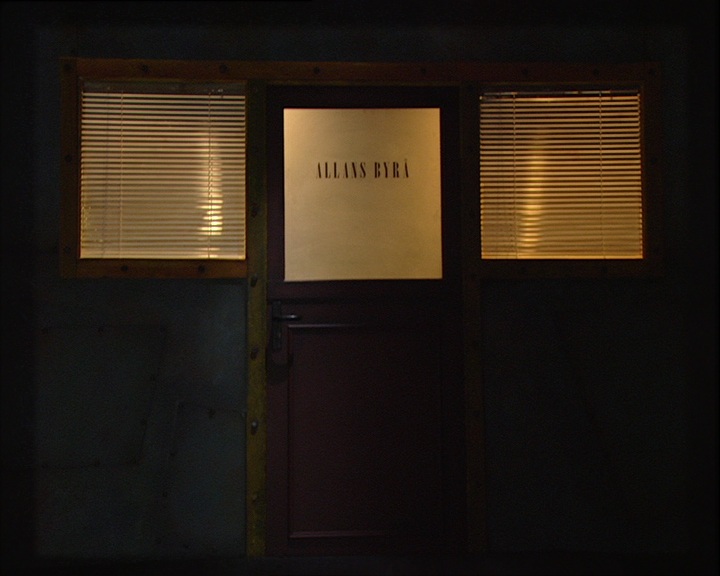

The title sequence is still on YouTube, uploaded by people who grew up with it — one of them posted it as Intro “Allans Byrå”, which is the sign at the end of that duct.
mid-1990s, then 2004
Kockums — the Visby corvette
Visby is the ship — a stealth corvette, and at the time an entirely new kind of warship. I made a great deal of material for Kockums around it in the mid-1990s: videos, images, animations, all of it produced under tight security before any of it was public.
Nothing from that decade is in my hands any more. What survives is the later job, in 2004: an interactive 3D application built in Director to make the tactical case for the design. Mission briefings, a sailable ship, sonar and ESM instruments, and scenarios with names like Disputed Island, Smuggling and Pirates. The game engine was written during the project.
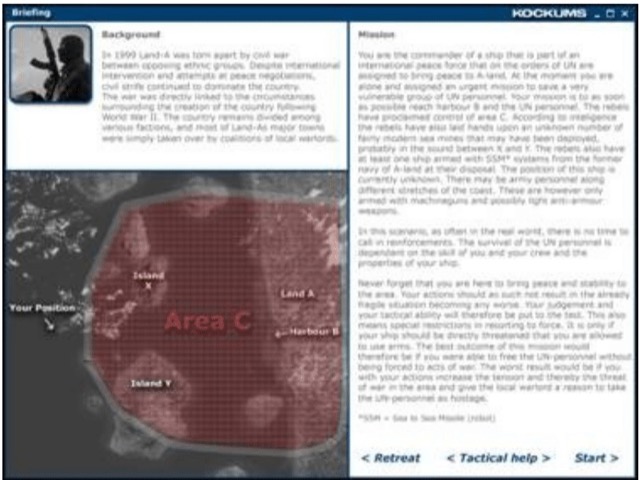
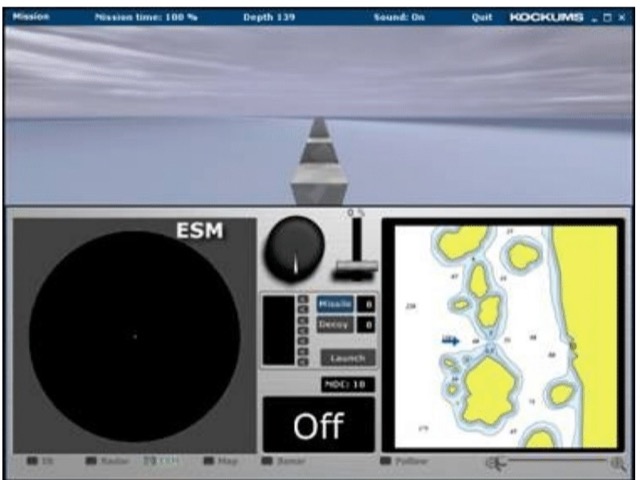
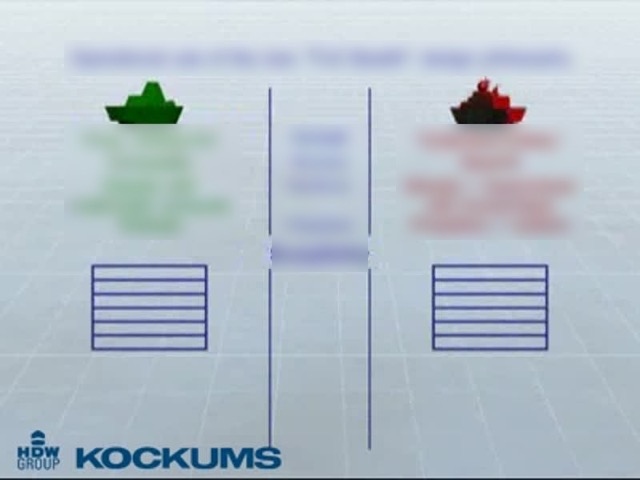
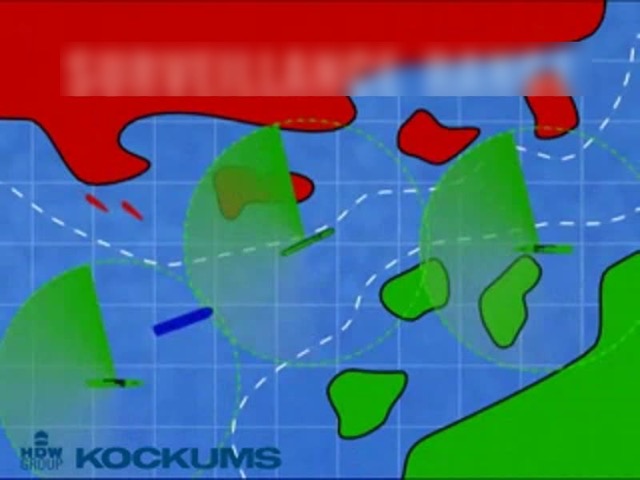
All interacting things in the game have behaviors and reactors and instruments and so on… This game engine was built during the development. All programming and development on this game was made by me. Portfolio, page 18
1999 – 2006
Cliff Design & Development
The second company. Design support, product visualisation and interactive 3D — and the start of doing it from engineering data rather than by modelling everything by hand.
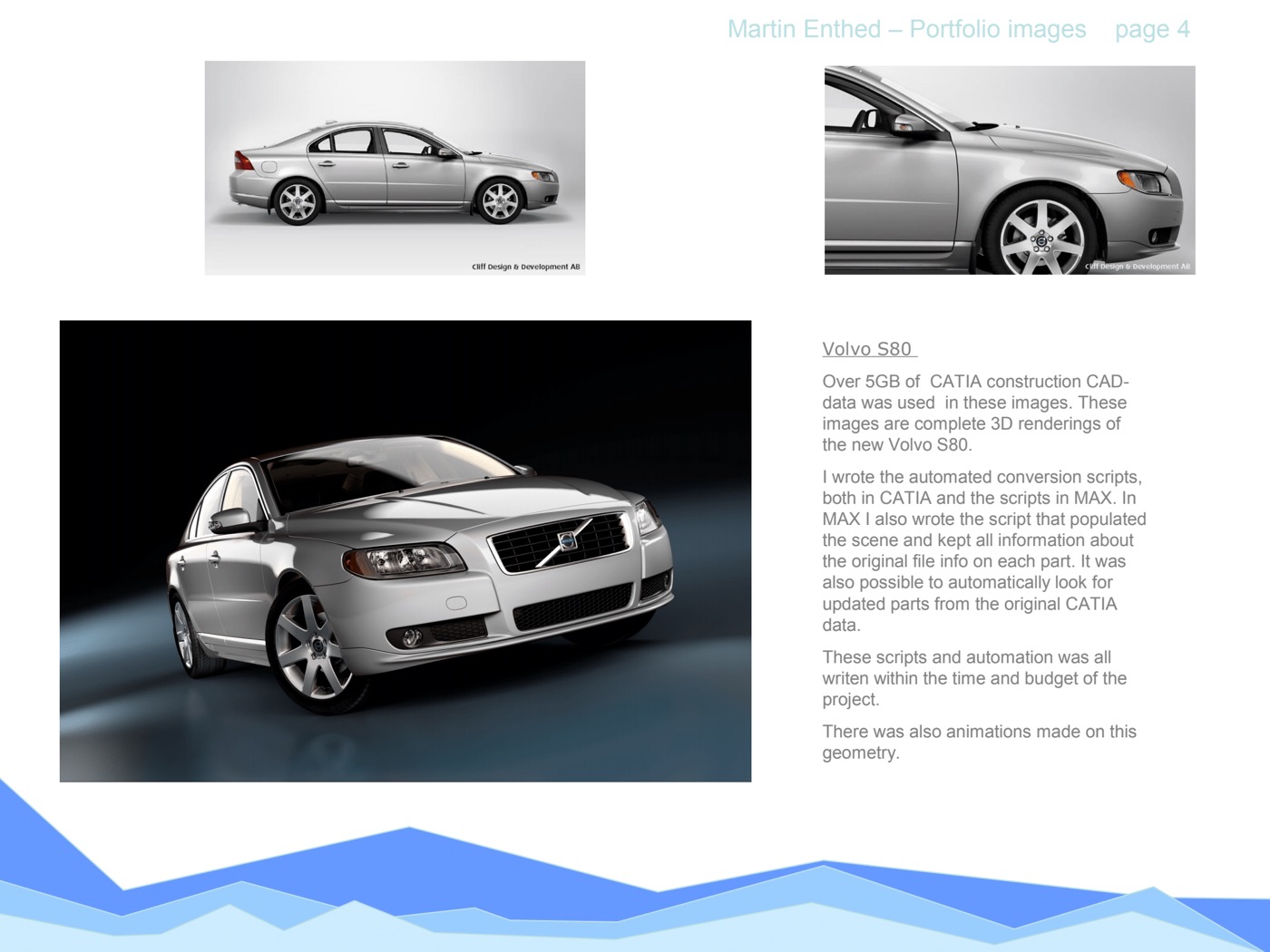
Over 5GB of CATIA construction CAD data was used in these images… I wrote the automated conversion scripts, both in CATIA and the scripts in MAX. It was also possible to automatically look for updated parts from the original CATIA data. Portfolio, 13 November 2006
That is the argument I would spend the next eighteen years making at IKEA, written down two months before they hired me — only about cars instead of furniture.
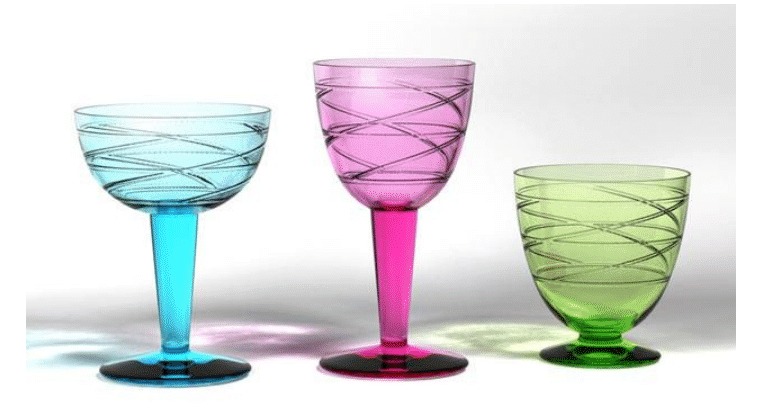
IKEA glass, “PRALIN”
Modelled and visualised with the small team at IKEA, in the design stage — about twenty patterns in eight hours. Designer Pia Eldin, product developer Ria Falk. The three at the bottom are the ones that were chosen, and they went into the stores.
This was years before IKEA employed me. I had worked with them since 1992 — about a month every year, doing things for their model shop.
Christmas 1999
With Michael B. Tretow — the audio engineer behind ABBA
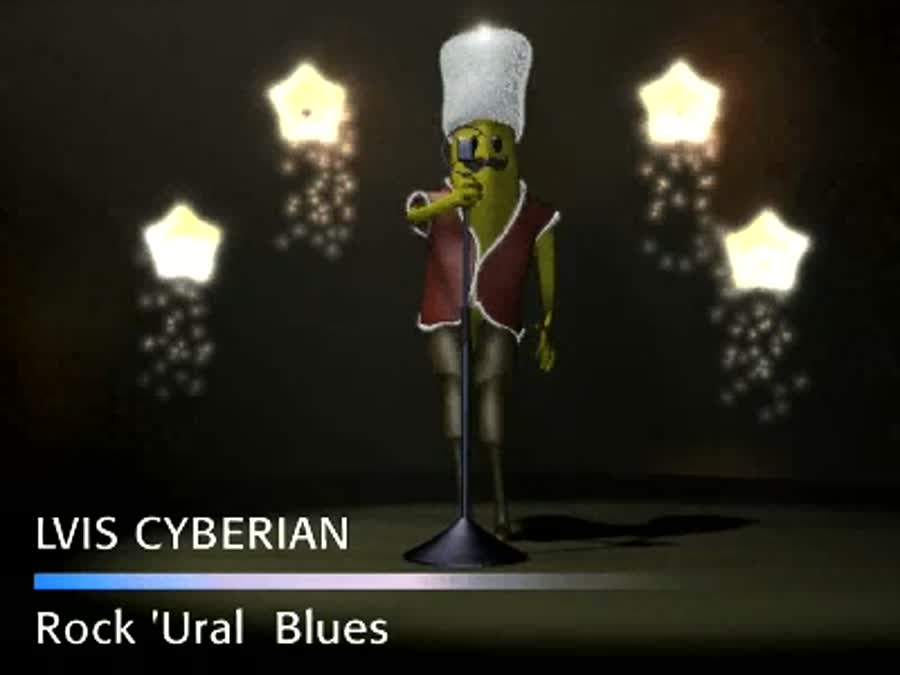
A Christmas film, made together. Michael wrote and recorded the song; I made the animation that goes with it. The singing banana with a faintly Russian air was my idea.
He is billed on screen as LVIS CYBERIAN, performing “Rock 'Ural Blues”. The file in the
archive is still called Christmas_1999_Tretow-Enthed.mp4 — both names on it.
The song is worth hearing before you look at anything. Play it and you may find the character assembles himself in front of you — perhaps not as a banana, but the rest of him. And listen for the stars: they sing the backing.
It went out on CDs — yes, it is that old — pressed to autorun the moment they were put in the drive. We each took a batch to send to friends and customers. Mine went out. I never knew if Michael sent his ;-)
March 2000
Melodifestivalen — SVT
I made 3D graphics for Melodifestivalen 2000, the Swedish selection for Eurovision and one of the largest television productions in the country. The final was in Göteborg on 10 March.
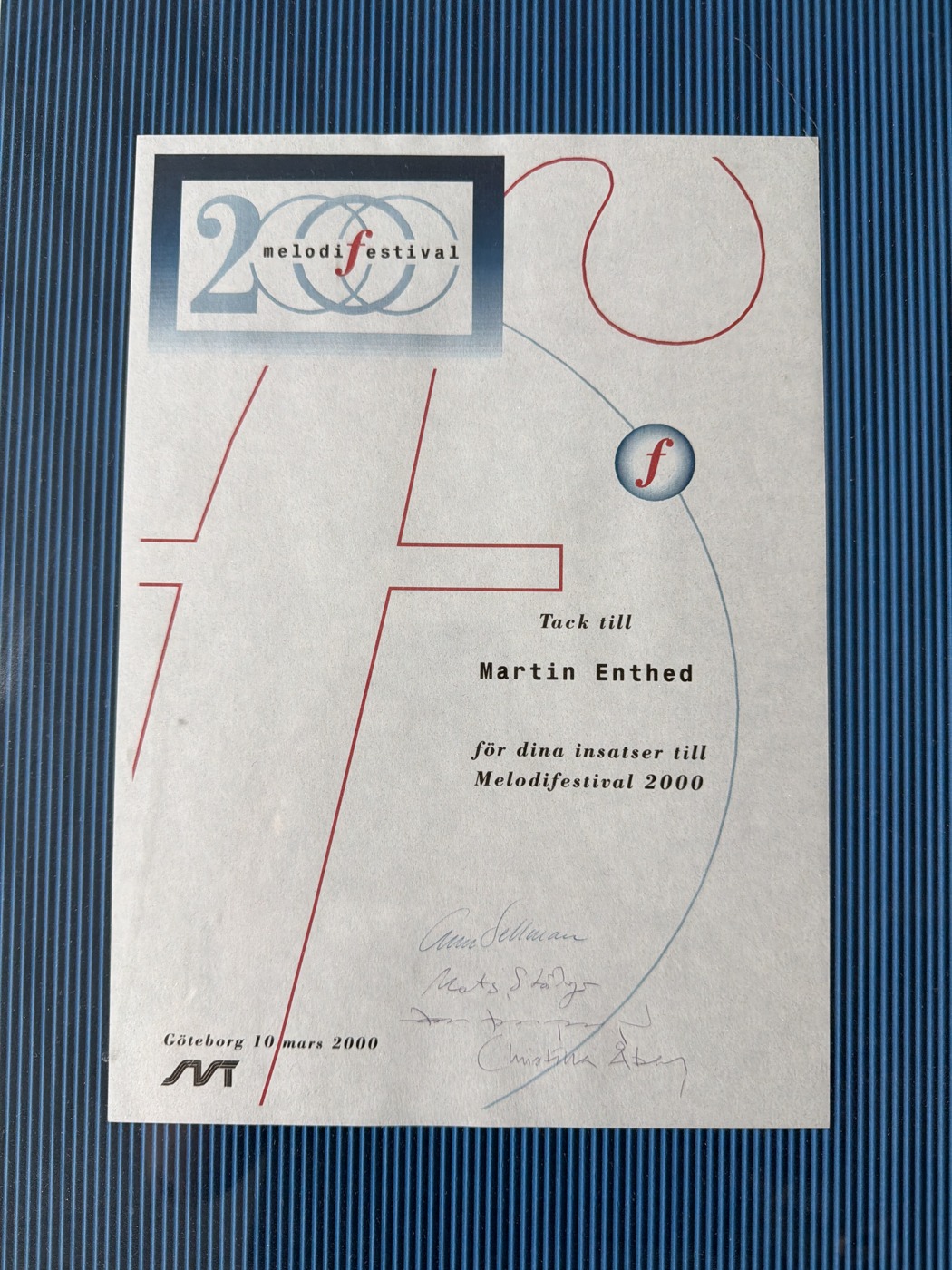
As with Cetetherm, none of the work survives here. What is left is the card they sent round afterwards.
around 2004
A mosque, with Göran Wärff
With Göran Wärff at Kosta Boda we built new windows in crystal glass for a mosque — five metres high. I placed the building at its real geographic location and ran sun studies: how the light would refract through each design and colour the room at different hours of the day. Then I built a Director application so the whole thing could be flown through and the time of day moved by hand.
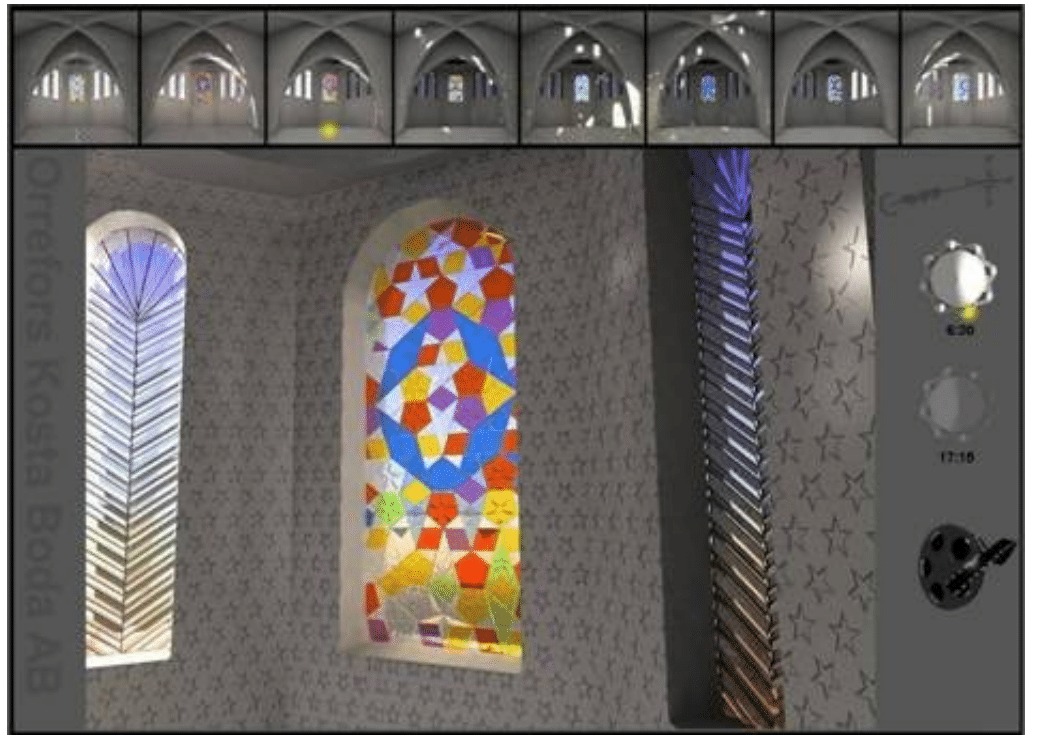
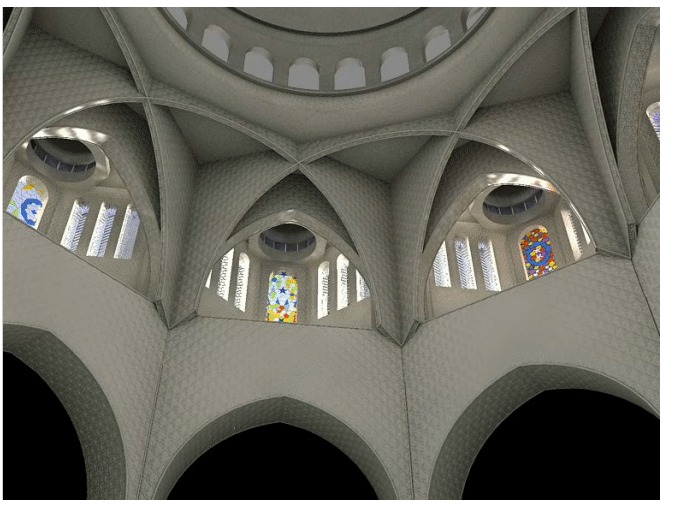
The building was the Sheikh Zayed Grand Mosque in Abu Dhabi, built for Sheikh Zayed bin Sultan Al Nahyan and finished in 2007. Of that I am certain.
What I do not know is whether these windows were ever made. The work we did was design support — proposals, five metres high, studied against the real sun — and I never followed what happened after. Published accounts of the finished mosque credit its window glass and mosaic to other makers, and Sweden does not appear in the usual list of countries the materials came from. Kosta Boda do list “a mosque in Abu Dhabi” among Göran Wärff's public commissions, alongside the Sydney Opera House and Växjö Cathedral — but whether that refers to this glass, or to something else in the building, I have not been able to establish.
What I do know is that it was taken seriously. Göran Wärff and the Orrefors team travelled down and presented to the family the building was honouring. I was not in the room — but what they took with them was my work. The sun studies and the renderings went in front of the people it was being built for.
So this is a design that certainly existed, shown to the people it was made for, for a building that certainly exists. Whether the two ever met is an open question.
2004 – 2007
Orrefors, Jewel and the Grammis Award — for Efva Attling
At Cliff Design & Development we had built a service we called Visual Design Support: modelling and rendering brought in very early, just after a designer's first sketches, so that everyone could see the thing before it existed. Orrefors, IKEA and iittala used it.
I met Efva doing her first glass collection for Orrefors. That is where the working relationship started — her sketches, modelled and rendered while she sat next to me, so she could see the piece before the glassworks made it.
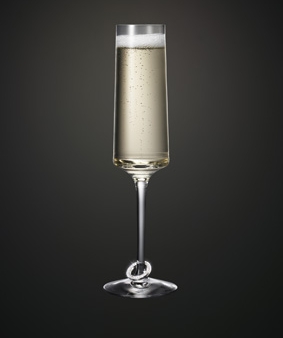
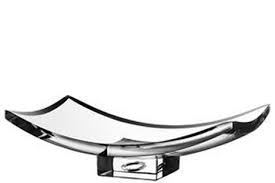
I worked with a handful of designers at Orrefors over those years — and accidentally named a few of their products. Every model needs a filename, and when I asked what to call one I was told to write whatever I thought it looked like. Some of those names stuck and went out with the product.
Tornado is one. Drop, the candle lantern, is another. Tornado was designed by Jan Johansson and Orrefors produced it from 2003 to 2016 — vases, bowls, candleholders, a whole range. Drop is Martti Rytkönen's, from 2004. Both are still bought and sold. Nobody buying one knows the name began as a filename.
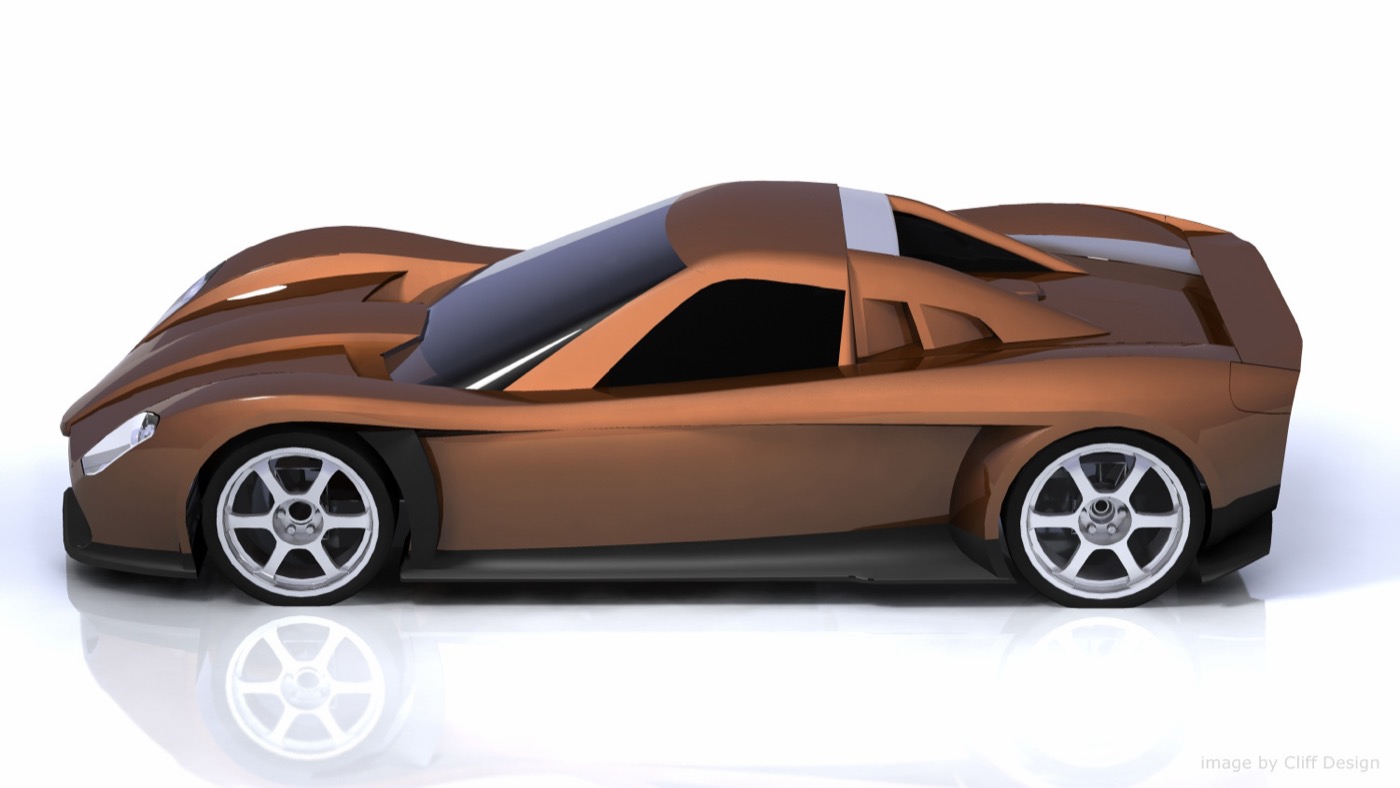
The problem with selling the service was that all of it was confidential. So we asked a designer we had already worked with to design anything at all, with no client and no brief, purely so we could show the method. Efva chose to design a car.
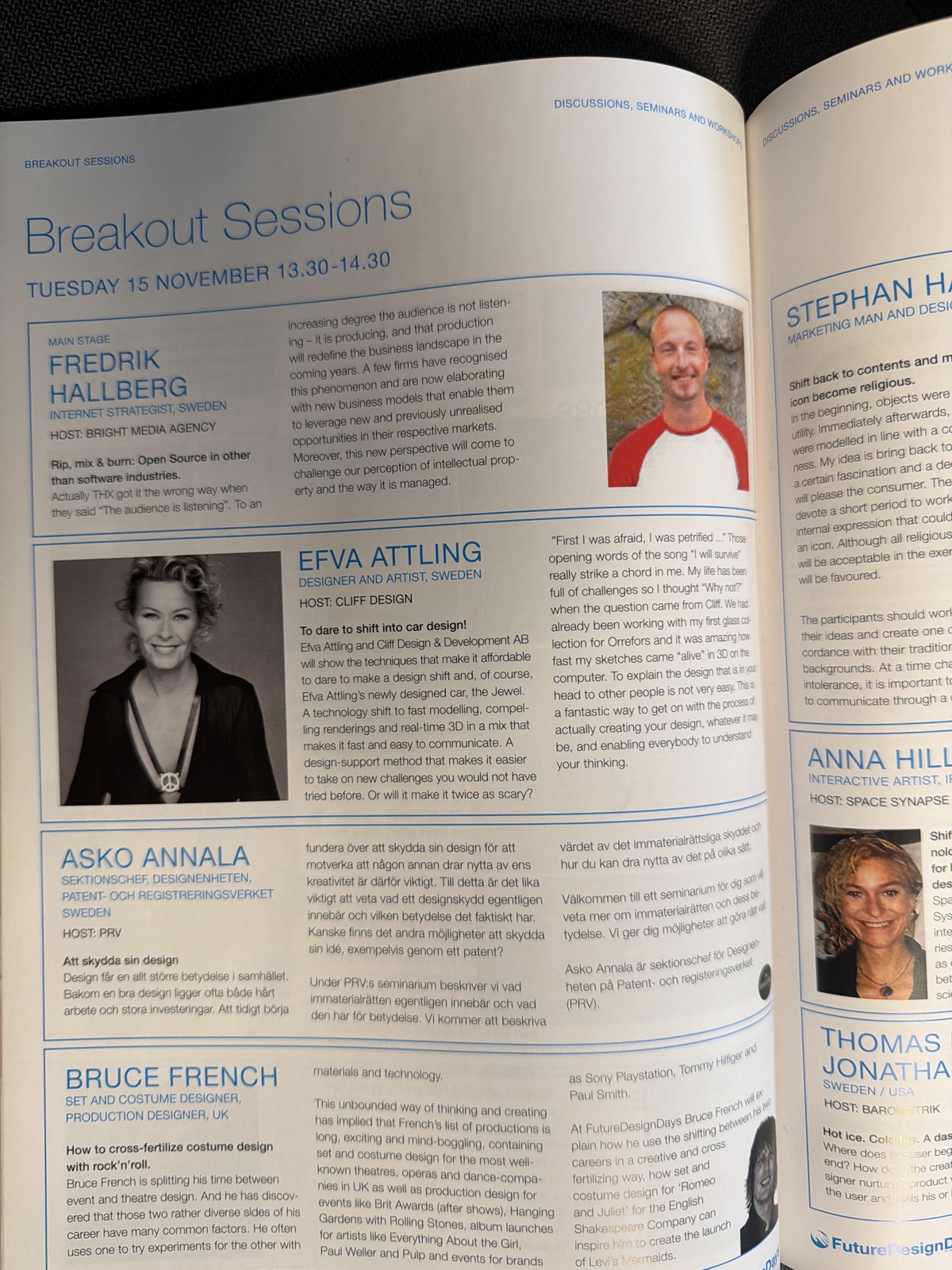
“First I was afraid I was petrified........like the song "I will survive" begins. My life has been full of challenges so I thought why not when the question came from Cliff. We had already been working with my first glass collection for Orrefors and it was amazing how fast my sketches came "alive" in 3D on the computer. To explain the design which is in your head to other people is not very easy. This is a fantastic way to proceed with the work of actually creating whatever your vision may be, and everybody will understand your design.” Efva Attling, in the project document, November 2005
We met in Stockholm for one day in early September. By the end of it the car looked like the first image below — eight hours of work, modelled straight against her drawing. We met once more in Gothenburg, and the finished model took eighteen hours. Five to ten times faster than the normal way of doing it.
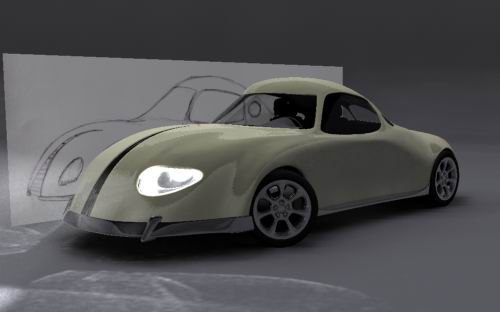
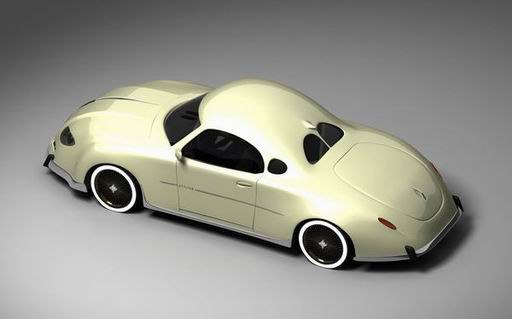
Then it was rendered properly — twenty-four high-resolution images in several colourways, which is the whole point of the method: change the paint, re-render, decide.
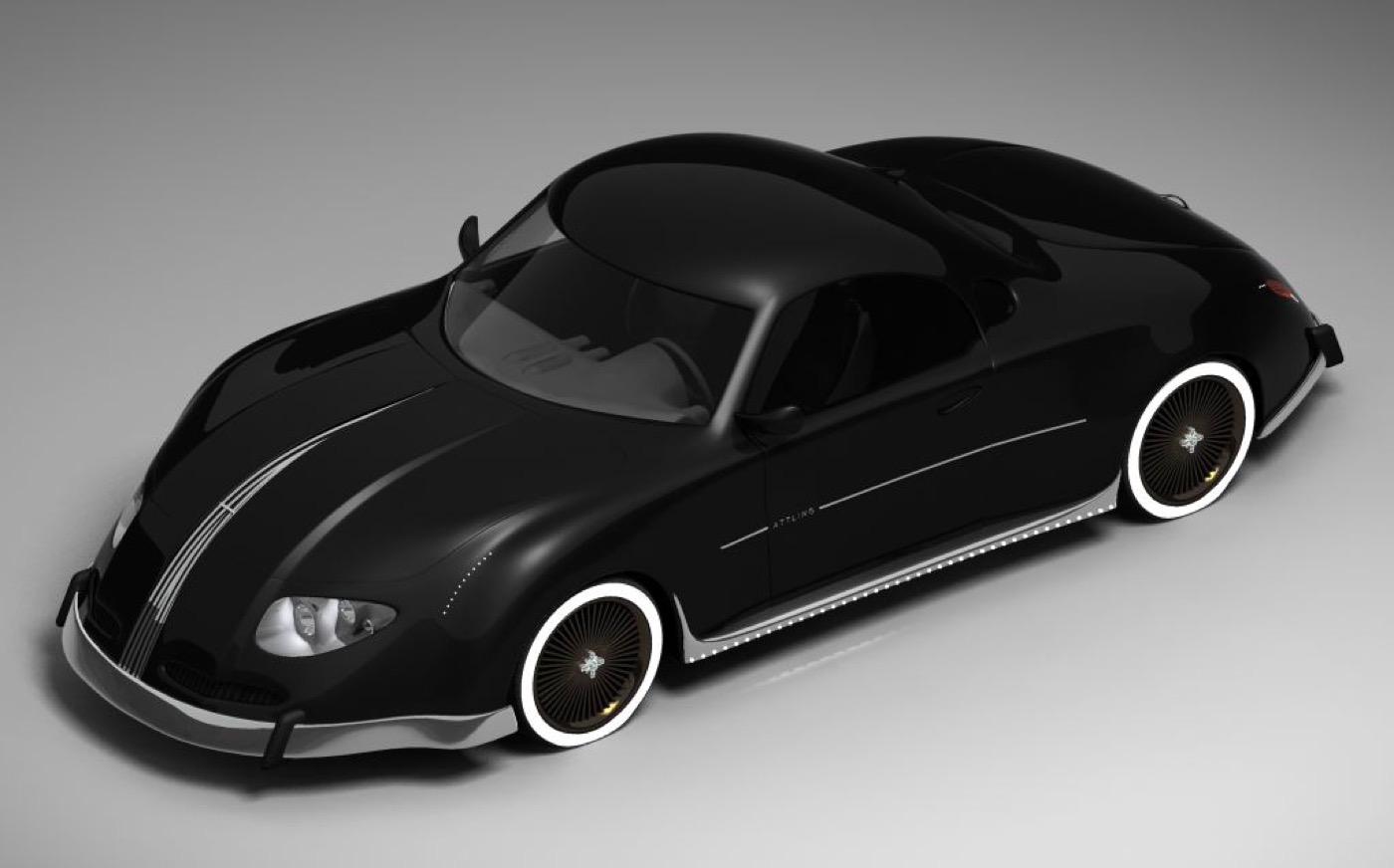
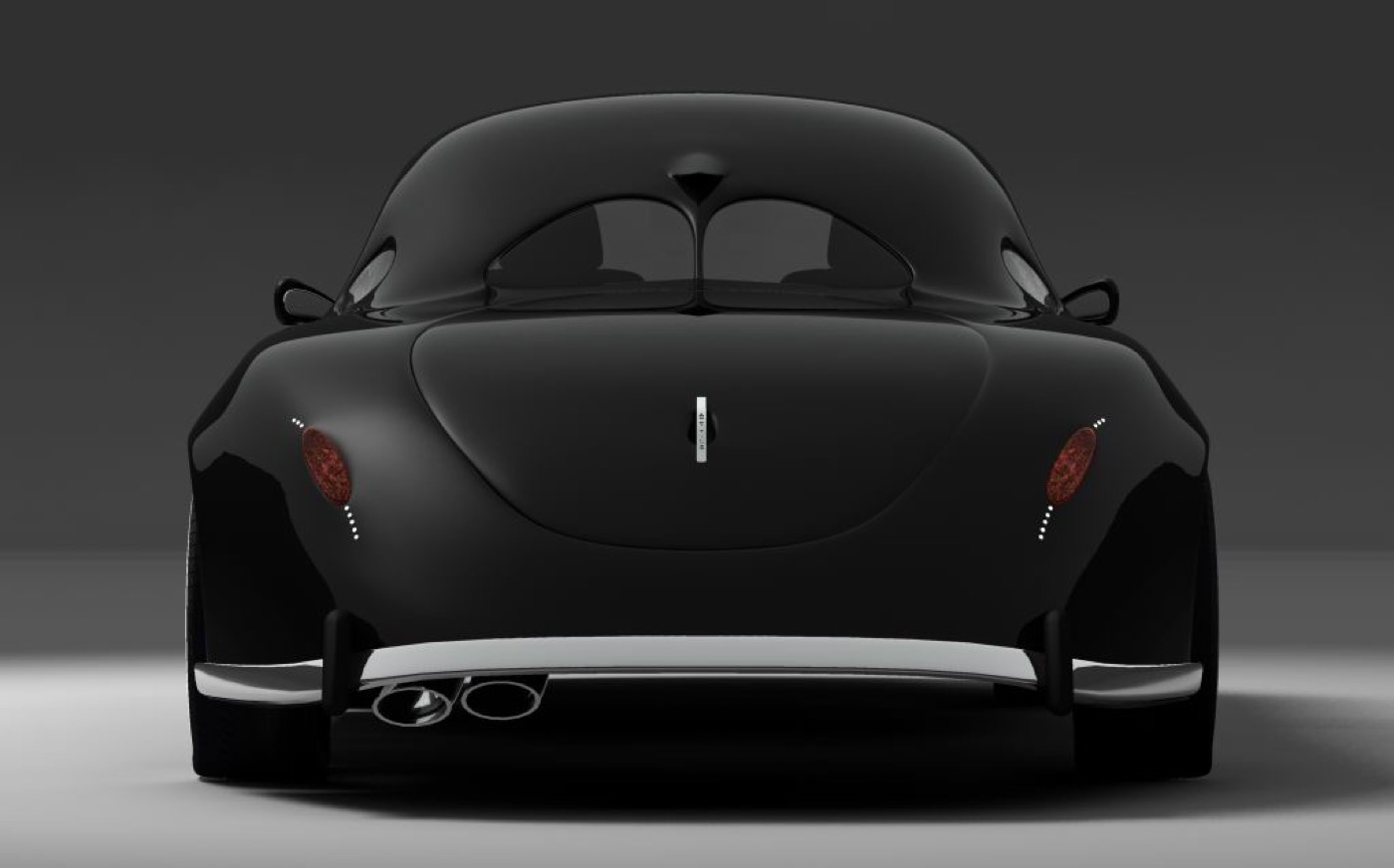
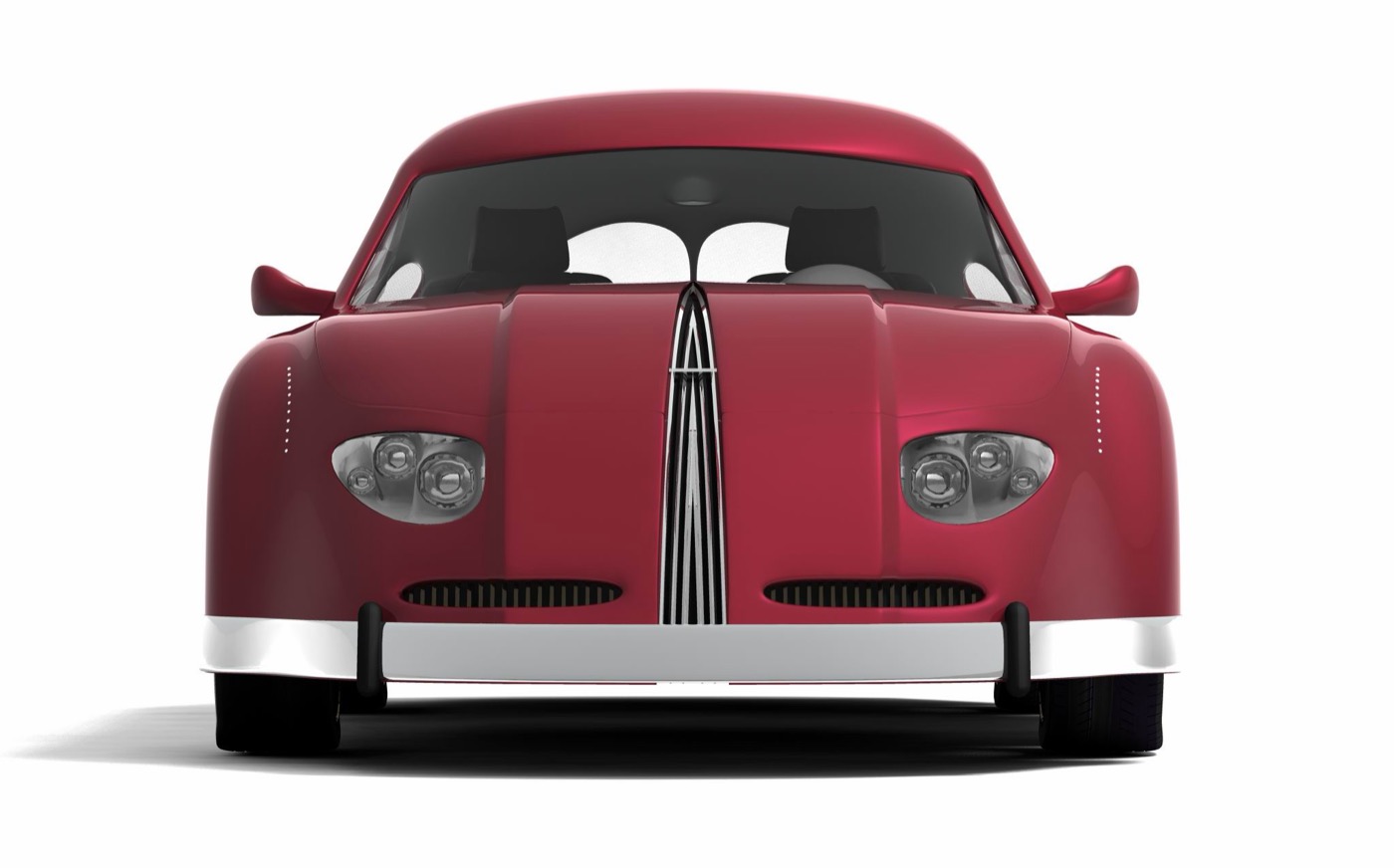
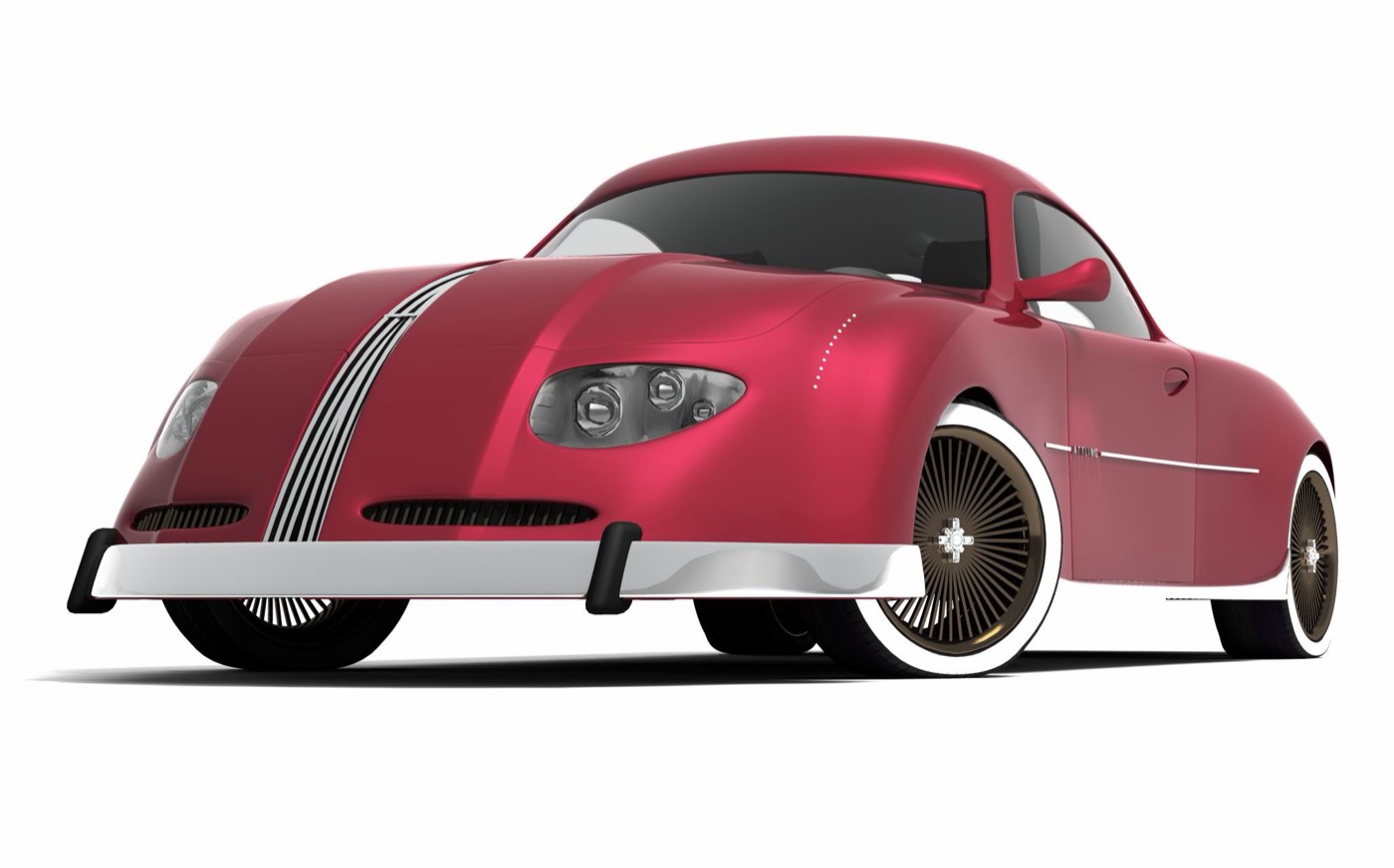
And it did not stop at pictures. Cliff built Jewel as a physical scale model about a metre long. Efva put it on her own website too, under Attling + — the section for her collaborations, alongside Absolut, Amnesty, the Red Cross and the Grammis awards. That page is gone; only the menu entry survives in the Internet Archive.
On stage, 15 November 2005
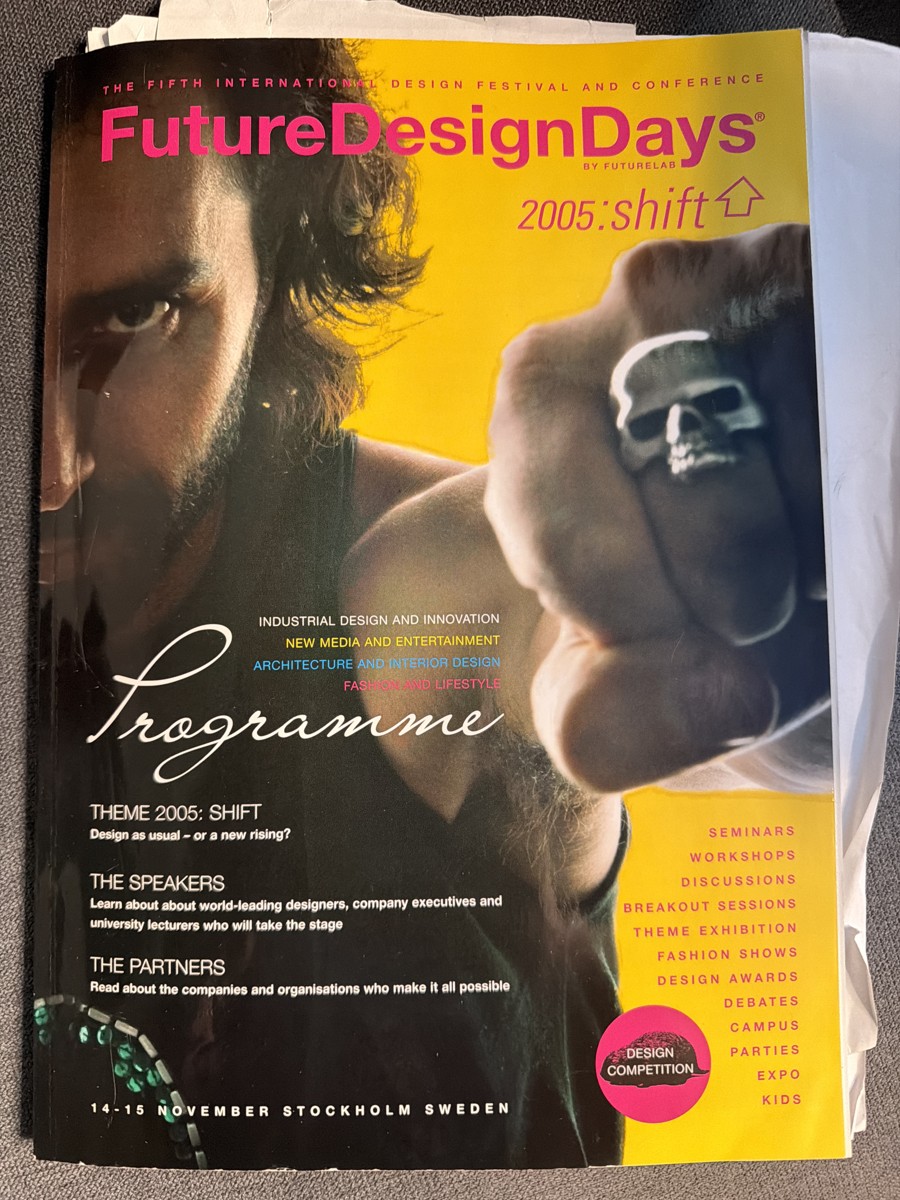
We showed it at FutureDesignDays 2005: shift in Stockholm — the fifth international design festival and conference — on the Tuesday afternoon, 13.30 to 14.30. Efva presented, hosted by Cliff Design, and I was on stage with her. The project document is dated 11 November, four days before.
To dare to shift into car design! Efva Attling and Cliff Design & Development AB will show the techniques that make it affordable to dare to make a design shift and, of course, Efva Attling's newly designed car, the Jewel. A technology shift to fast modelling, compelling renderings and real-time 3D in a mix that makes it fast and easy to communicate. A design-support method that makes it easier to take on new challenges you would not have tried before. Or will it make it twice as scary? The programme, FutureDesignDays 2005
And then the Grammis trophy
The working relationship carried on. In spring 2007 we did the new Grammis trophy together — Sweden's Grammy — designed by Efva, manufactured by Orrefors, and first handed out at the 2008 gala for the music of 2007. The base of the one below reads GRAMMIS 07.
The image is mine. It is a rendering, not a photograph, and it was made so Efva could sell the design — which is Visual Design Support doing exactly what it was built for: the object had to be convincing before anyone had made one.
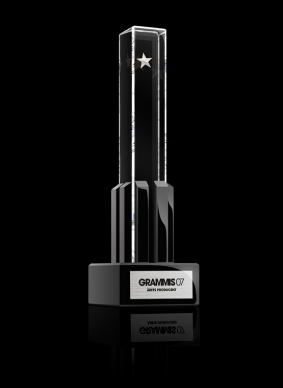
“Empire State Building meets Hötorget Tower with a musical touch, was my first thought. It also felt important that the star on top of the trophy be made of the finest platinum, the most valuable material available, so that the winner of the award really felt like a star. Not just for that evening, but forever.” Efva Attling, on the Grammis trophy
Three projects, then, across three materials — glass for Orrefors, a car in Gothenburg, and a statuette in glass and platinum that has been handed to every Swedish Grammis winner since 2008. It began with glass and ended with glass, and the trophy went the whole way: sketch, render, sold, made.
bilen2 — “the car” — and the Wayback
Machine never captured the file.13 November 2006
The pitch
Nineteen pages made in OpenOffice Impress, two months before starting at IKEA. Everything else on this site was written afterwards, knowing how it turned out. This is the only thing written before.
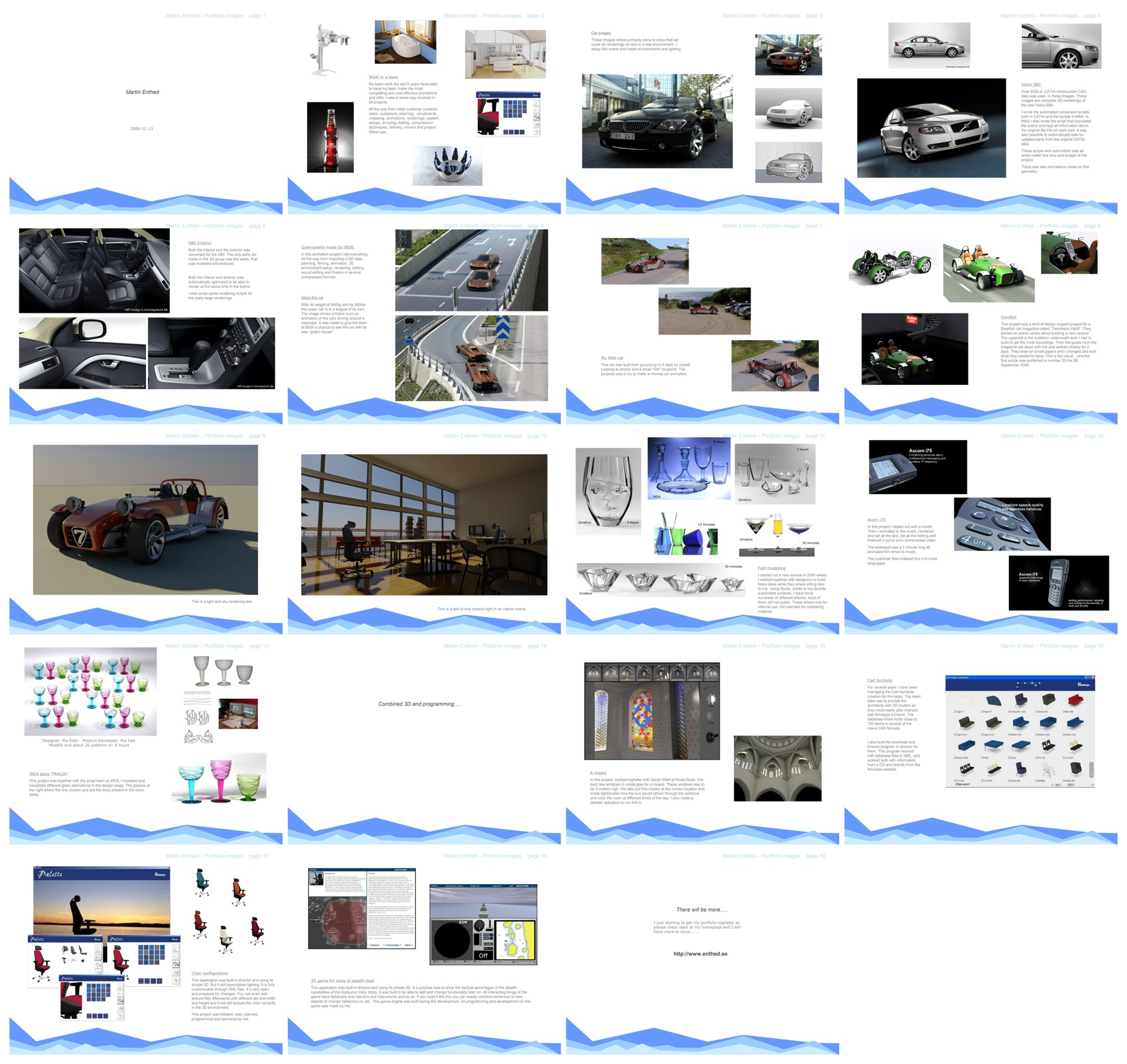
Final text in the pitch deck:
There will be more….. I just starting to get my portfolio togheter so please check back at my homepage and I will have more to show…….
Now, twenty years later, I have added some. I never wrote “soon” — and in retrospect that was a wiser call than I had probably planned.